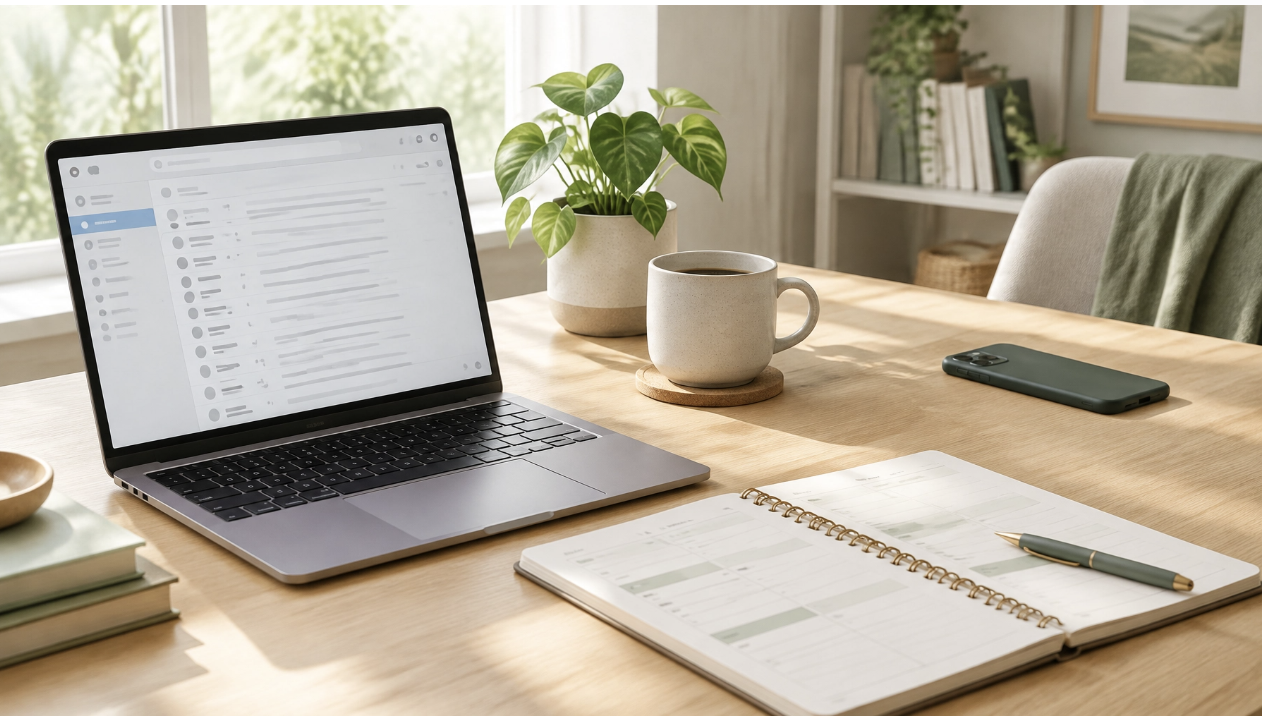
The Proven Digital Detox Framework for Entrepreneurs Who Can't Stop Checking Email
If you check email every few minutes, even when you know nothing urgent is waiting, you’re not alone. Running a business can make every new message feel like a potential client, problem, or opportunity. But being reachable all day is not the same as being effective all day.
A useful digital detox for entrepreneurs isn’t about abandoning your inbox. It’s about deciding when email gets your attention, setting expectations with the people who depend on you, and using the time you reclaim on purpose.
This four-step framework offers a practical place to start. Research suggests email batching can reduce interruptions, but its benefits depend on the nature of your work and the response expectations around you. Treat this as an experiment to adapt, not a rule that every entrepreneur must follow.
Start with clarity: Find out what’s driving the checking
Before you change settings, spend one workday noticing your email habits. Each time you open your inbox, make a quick note of:
- When you checked: on waking, between tasks, after a notification, or during a work block.
- Why you checked: to answer a real request, avoid forgetting something, escape a difficult task, or ease uncertainty.
- What triggered the urge: a badge, a quiet moment, a client deadline, or the thought “I should make sure.”
You don’t need a perfect log. A note in your planner or a simple tally is enough to reveal patterns. For example, you may find that you check most often when you’re about to start a demanding proposal. That points to a useful distinction: sometimes email needs a process, and sometimes the urge is a cue to make the next work step smaller.
Then define what genuinely counts as urgent for your business. A customer-facing outage may need a fast response; a routine invoice question may not. Write down two or three true exceptions. If everything counts as urgent, you don’t have a boundary. You have an open inbox.
This clarity is the foundation of a workable digital detox. It also helps you explain your approach to clients and collaborators without apologizing for protecting focused work.
Take action: The four-step email detox framework
1. Audit your checking habits
Use your notes from the first day to identify your strongest triggers. Choose one pattern to address first. If you open email whenever your phone lights up, start with notifications. If you check whenever a task feels difficult, create a clear next action for that task before you begin.
Pick one behavior to change, rather than trying to transform your entire workday at once.
2. Replace reflexive checks with email windows
Choose a schedule that fits your role. A starting point might be 9:30 a.m., 1:00 p.m., and 4:00 p.m., with 20–30 minutes for each window. Put the windows on your calendar and close email between them.
If you serve clients who need quicker answers, try four shorter windows or add one agreed-upon urgent channel. The goal is not to imitate someone else’s schedule. It’s to replace constant checking with predictable, intentional access.
A study of email batching in a financial-services organization found fewer interruptions among participants who checked email in planned batches. The results also depended on factors such as workload and expectations for fast replies, so batching should fit your work and your agreements. >>> Read the study
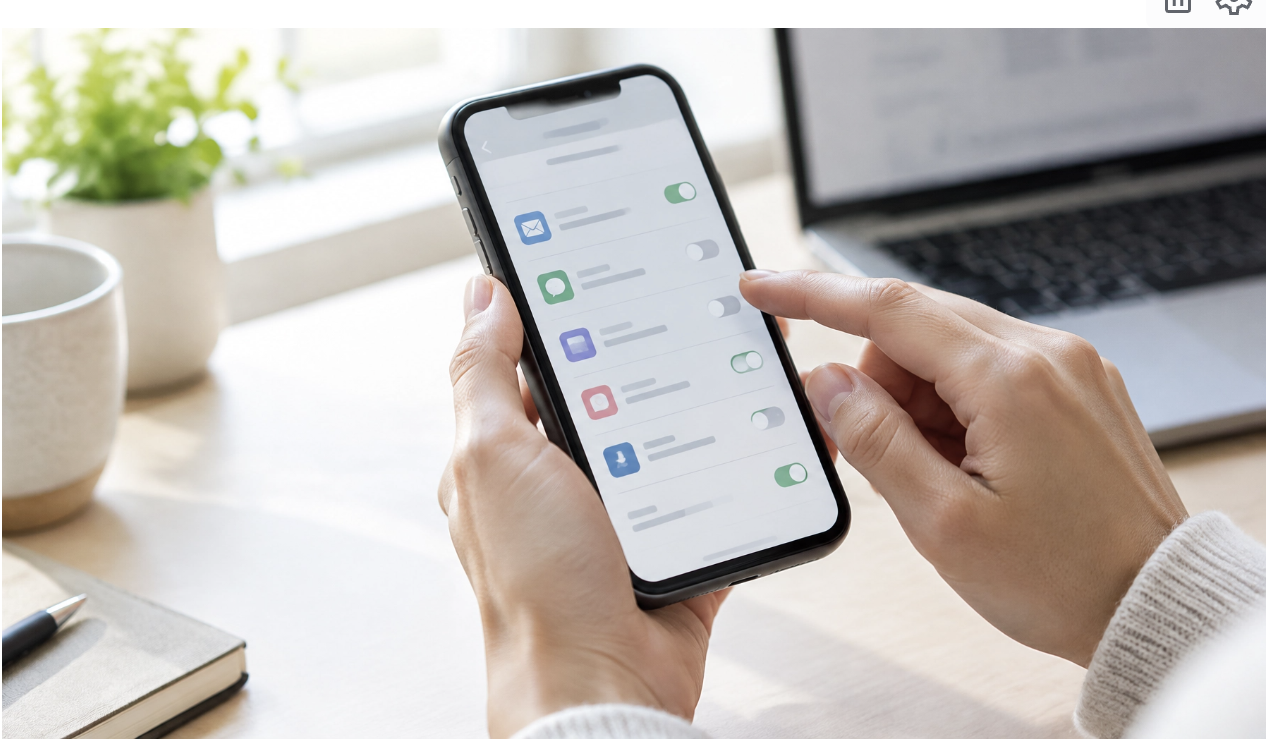
3. Add friction and make email easier to batch
Make the old habit less automatic and the new one easier to follow:
- Turn off email sounds, banners, previews, and badges on your phone, computer, and wearable.
- Move the email app off your phone’s first screen, or remove it from your personal phone if that suits your work.
- During focused tasks, put your phone out of reach and close your inbox tab.
- Use filters or a shared inbox to route routine inquiries to the right person.
- At each email window, triage instead of browsing: reply, delegate, turn it into a dated task, or archive it.
You might also set an autoresponder during a focus block: “I’m working on a scheduled project block and will check email at 1:00 p.m. For urgent operational issues, please call [number].” This turns an invisible boundary into a clear service expectation.
4. Protect the reclaimed time with a recovery habit
Less checking creates time and attention, but you need to decide what that time is for. Reserve it for one activity that supports your energy or your business priorities:
- A 45-minute deep-work block on a proposal or strategy task.
- A short walk after your final email window.
- A few minutes of mindful breathing between calls.
- A clear shutdown routine, followed by an evening that doesn’t revolve around your inbox.
The best choice is the one you’ll actually use. Don’t replace email checking with another stream of notifications.

Set expectations with clients and your team
A boundary works best when other people understand it. Tell clients and colleagues what response time they can reasonably expect, and give them a reliable route for genuine emergencies.
Try a note like this:
“I review email at 9:30 a.m., 1:00 p.m., and 4:00 p.m. I typically reply within one business day. If an urgent operational issue needs immediate attention, please call or text [number].”
For a team, agree on shared norms: Which channel is for urgent matters? What response time is expected for routine email? Who covers incoming requests when you’re away? When you send messages outside someone’s work hours, consider scheduling delivery for their next workday.
You may worry that people expect an instant reply. Don’t guess: set the expectation and see what happens. A review of workplace email research recommends clear boundaries and regular triage, rather than assuming every message needs immediate attention. >>> Explore the systematic review
What to do when an email emergency comes up
A digital detox should include a sensible exception plan, not a promise to ignore urgent needs.
1. Define the emergency: for example, a service outage affecting customers or a time-critical issue that could cause significant harm to the business.
2. Use one agreed channel: phone or text may be more suitable than expecting someone to monitor an inbox.
3. Respond to the specific issue, then return to your plan. Don’t use one real emergency to justify checking email continuously for the rest of the day.
If your work genuinely requires near-constant responsiveness, adapt the framework: use a designated responder, a coverage rota, or more frequent short email windows. The aim is a fit-for-purpose system, not rigid disconnection.
Your seven-day implementation plan
Keep the first week simple. You’re testing a routine, not passing a willpower test.
1. Day 1, Observe: Track when, why, and what triggers your email checks.
2. Day 2, Define: Write down what counts as an emergency and decide on a realistic response-time promise.
3. Day 3, Schedule: Put three email windows in your calendar. Adjust them to fit client or team needs.
4. Day 4, Add friction: Turn off nonessential alerts, move your phone out of reach during focus blocks, and close email between windows.
5. Day 5, Communicate: Share your response windows and emergency channel with clients or your team.
6. Day 6, Reclaim: Use one freed-up block for deep work, movement, or a mindful pause.
7. Day 7, Review: Count unscheduled checks, note any missed expectations, and adjust the schedule.

Expect relapses, and use them as information
Travel, a launch, a demanding client, a high-volume inbox, or an unexpected problem can pull you back into constant checking. So can a growing to-do list or the discomfort of not knowing what’s waiting.
When you notice a relapse, ask: What changed, and what needs adjusting? If a client needed a faster answer, clarify the escalation route. If you checked to avoid a task, define its next small step. If you missed your scheduled window, pick the next one rather than writing off the whole day.
A brief mindfulness pause can help you notice the urge without acting on it immediately. Take a breath, name the feeling (“I’m uncertain” or “I’m avoiding this task”) and decide whether it meets your emergency rule.
For many entrepreneurs, boundaries also matter after work. Choose a shutdown time, identify the next action for unfinished email, and step away from routine messages during your personal time. If late-night checking is affecting your wind-down, pair your email boundary with a more consistent evening routine.
The Healthy Entrepreneur Club’s [resources](https://www.healthyentrepreneur.club/resources) include a sleep audit to help you notice patterns; the FREE 21-Day Sleep Challenge can support a broader reset.
Turn the experiment into a sustainable routine
After seven days, don’t judge success by an empty inbox. Look for signs that your attention is becoming more intentional: fewer unscheduled checks, protected time for priorities, clear client expectations, and a more dependable end to your workday.
Small adjustments count. Try the framework for another week, then tune your windows to match your real responsibilities.
If accountability would help, explore the [Healthy Entrepreneur Club membership](https://www.healthyentrepreneur.club/membership), which brings entrepreneurs together around productivity, energy, and sustainable growth. With coaching and accountability, you can build a digital detox routine that supports your business and your life outside it.

Explore what we do

Our mission is to help business owners build sustainable businesses without sacrificing their well-being.


Copyright 2026. Healthy Entrepreneur Club. All rights reserved.